First generation (OS, incl. facelift)
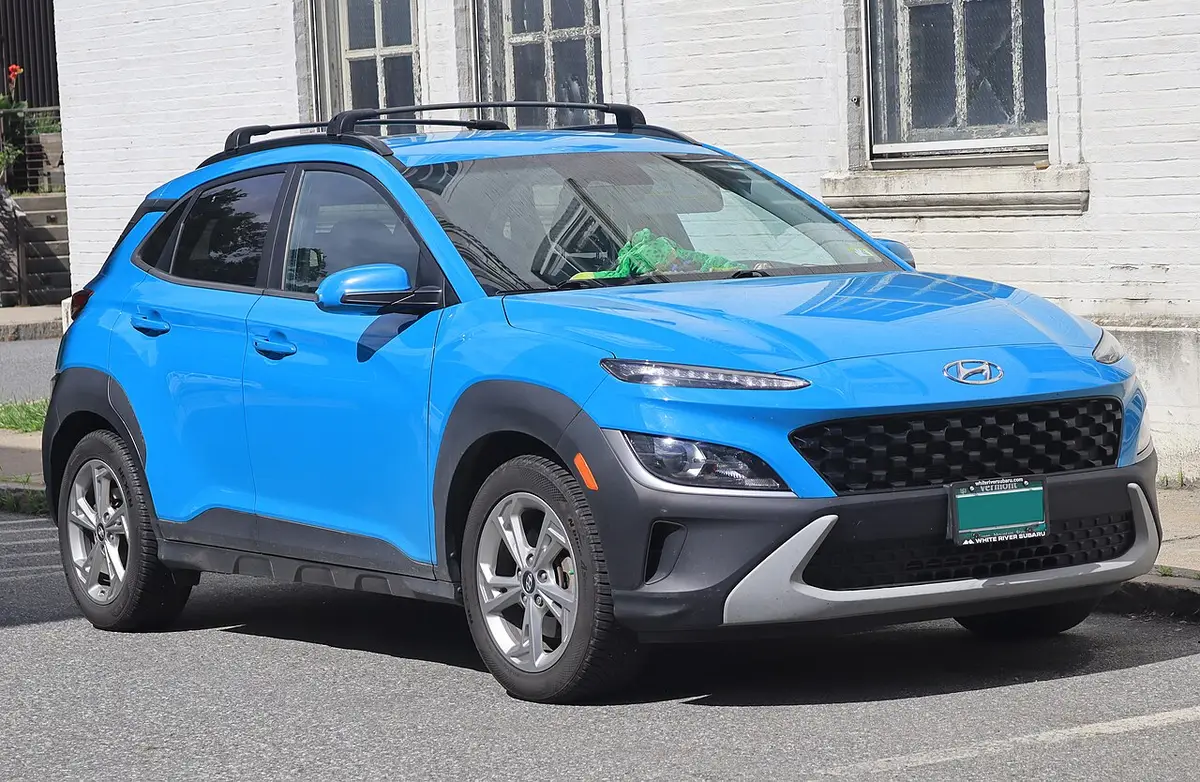
2020 Hyundai Kona
The most reported problem on the 2020 Hyundai Kona is stalling, with 56 complaints, usually around 14,000 miles.
- 160owner complaints
- 2recalls
- 8involved a crash
- 12,448median miles at failure
Newest report Sep 29, 2026 · checked Oct 2, 2026
What is your Kona doing?
Each one opens a sheet built from the owner reports of that problem on the 2020 model year.
Is the 2020 Hyundai Kona reliable?
The 2020 Hyundai Kona has 160 owner complaints on file with NHTSA, below the median of 233 for 2020 SUVs on this site. Of the 8 Kona model years since 2018, it has the 2nd most complaints. Complaint counts rise with sales as well as faults, so read what owners report below before deciding.
At a glance
- Next to the 2019 and 2021
- At 23 complaints for each year on the road, the 2020 runs close to the 2019 (24) and above the 2021 (19).
- Top problem
- One problem takes up much of the file: stalling, named in 56 of the 160 complaints (35%). Stalling tends to show up early. Of the 26 owners who gave a mileage for it, half were under about 14,000 miles and a quarter under about 10,000.
- Crash, fire and injury reports
- 11 of the 160 complaints (7%) report a crash, a fire or an injury, about the 6% typical of vehicles on this site. Counted separately (one report can carry more than one), 8 reports mention a crash, 3 mention a fire and 12 people were hurt. The reports record 1 death.
- Recalls behind the top problems
- stalling and engine failure all have recalls on the same system, and the same campaigns cover them: 21V-301. A recall on the same system doesn't always cover the failure owners describe, so compare its summary with the complaints.
- When owners filed
- Filings jumped in 2021, with 61 complaints, 2.3 times the next busiest year. So far in 2026, 25 more have come in.
When each problem shows up
Each bar covers the middle half of the mileages owners reported for that problem. A quarter saw it earlier, a quarter later. The tick is the median. Most reported: engine stalls or loses power while driving, 56 complaints.
middle half of reports, median tick. The heavier grey bars have 75 or more reports.
Behind you
Around your mileage
Ahead of you
How this compares
160 complaints is 1.4 times fewer than the median 2020 model on this site and 1.5 times fewer than the median 2020 SUV. Among the 3 Kona model years here it ranks 2nd for complaints. Counts follow sales volume as much as reliability, so a truck that sells 700,000 a year draws more reports than a sedan that sells 200,000.
Service bulletins for the 2020 Hyundai Kona
Hyundai filed 81 bulletins and other notices with NHTSA that list the 2020 Hyundai Kona. 7 of them deal with a problem owners have reported on this car. Newest first.
Federal rules make a manufacturer send NHTSA a copy of any notice about a defect that goes to more than one dealer or owner. Most of these are service bulletins, the repair instructions manufacturers send to dealers. NHTSA generally leaves safety recall bulletins out of this file, and recalls are listed separately.
Engine stalls or loses power while driving 1 bulletin · 56 complaints
If you are servicing a vehicle with a transmission slipping concern, follow the Service Procedure shown below and perform a stall test. This TSB provides a procedure to test each clutch in the transmission.
Check engine light or misfire 2 bulletins · 23 complaints
This bulletin provides information related to the Engine Control Module (ECM) software logic update for DTC P0300-P0304 Misfire. This update addresses an incident of intermittent misfire that may only occur at cold engine warmup.
If you are servicing an applicable vehicle with a âCheck Engineâ light on and one or more of the DTC listed below, follow the repair procedure and replace the related solenoid and oil pressure harness.
Engine knocking or ticking 2 bulletins · 13 complaints
Hyundai is conducting a service campaign 974 to enhance the knock sensor logic with the Cylinder Noise Diagnostic System (CNDS) software update.
Hyundai is conducting a service campaign to enhance the knock sensor logic with the Cylinder Noise Diagnostic System (CNDS) software update.
Transmission shudders, slips or shifts hard 2 bulletins · 6 complaints
If you are servicing an applicable vehicle with the following symptoms and DTC, follow the Service Procedure on Page 3.
This TSB provides a procedure to diagnose and repair a transaxle for the following Incorrect Ratio DTC (transaxle clutch slipping more than 200 rpm in gear).
Complaints filed by year
61 complaints came in 2021, 4.7 times the year before. Owners file in waves when a problem gets press or an investigation, so a spike measures attention as much as failures.
NHTSA investigations
Pedestrian alert sounds. Closed aug 7, 2023, led to recall 22V-063.
NHTSA summary
Loss of motive power. Closed dec 12, 2023.
NHTSA summary
Recalls that include the 2020 Hyundai Kona
Whether your car is included depends on its VIN. Check yours at nhtsa.gov/recalls.
Hyundai Motor America (Hyundai) is recalling certain 2019-2020 Elantra, 2019-2021 Kona and Veloster vehicles equipped with 2.0L Nu MPI engines. The piston oil rings may not have been properly heat-treated, which could result in engine damage.
Risk and remedy
Remedy: Dealers will inspect and, if necessary, replace the engine, free of charge. In addition, Hyundai will deploy Piston Ring Noise Sensing System (PNSS) software. Owner notification letters were mailed August 24, 2021. Owners may contact Hyundai customer service at 1-855-371-9460.
Hyundai Motor America (Hyundai) is recalling certain 2020 Kona vehicles. The certification label may indicate incorrect Gross Axle Weight Rating (GAWR). As such, these vehicles fail to comply with the requirements of Federal Motor Vehicle Safety Standard (FMVSS) numbers 567, "Certification" and 110, "Tire Selection and Rims."
Risk and remedy
Remedy: Hyundai will notify owners, and dealers will install new label stickers displaying the correct GAWR over the affected areas of the certification label, free of charge. The recall began March 2, 2020. Owners may contact Hyundai customer service at 1-855-371-9460. Hyundai's number for this recall is 187.
All 2 recalls on the 2020 Hyundai Kona, with the owner complaints on each recalled system
Guide Buying one used? How to research one car’s history before you pay
Questions
What is the most common problem on the 2020 Hyundai Kona?
Stalling, with 56 of the 160 complaints. Owners who gave a mileage for it put the median at about 14,000 miles.
At what mileage do 2020 Hyundai Kona problems start?
Of the 67 complaints that give a mileage, a quarter came by about 7,000 miles and half by about 12,000.
Is the 2020 Hyundai Kona better or worse than the 2019 and 2021?
Counted per year on the road, the 2020 has about as many complaints as the 2019 and more complaints than the 2021: 23 a year against 24 and 19.
How many 2020 Hyundai Kona complaints involve a crash, fire or injury?
11 of them (7%). The typical vehicle on this site is at 6%.
Is there a recall for stalling on the 2020 Hyundai Kona?
Yes, NHTSA lists a recall on the same system: 21V-301. Its summary says which failure it covers, and that isn't always the one owners describe.